What Is Luxury Vinyl Plank Flooring?
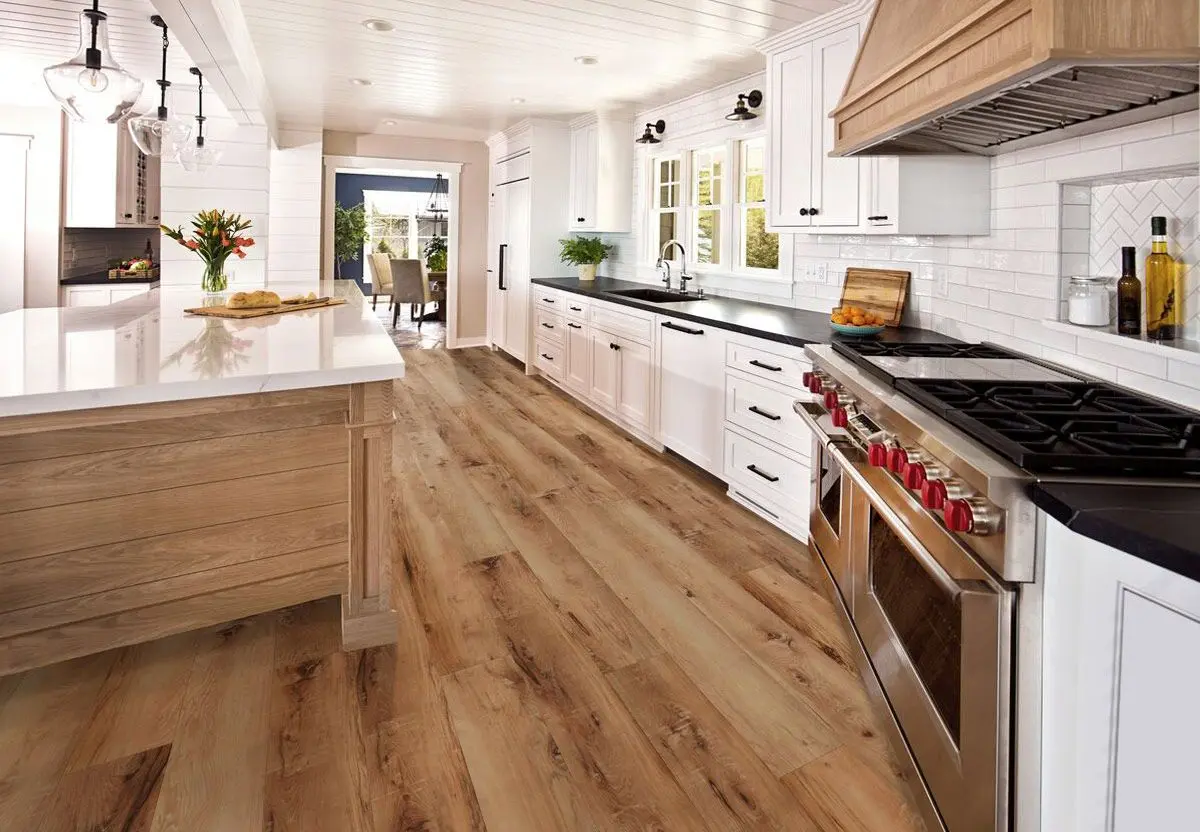
If you've been shopping for new floors, you've probably heard the buzz about luxury vinyl plank flooring. It's the fastest-growing flooring category in the country—and for good reason. Today's LVP looks remarkably like real hardwood, handles water like a champ, and costs a fraction of the price. For Kansas City families juggling busy schedules, kids, and pets, it's quickly become the go-to choice.
But luxury vinyl plank flooring in Kansas City isn't your grandmother's vinyl. Modern LVP is built with multiple engineered layers that work together to deliver durability, comfort, and realistic wood-grain visuals that can fool even design professionals.
How LVP Is Constructed
Every quality vinyl plank is made of four layers, each serving a specific purpose:
- Wear layer — The clear top coat that protects against scratches, stains, and UV fading. Thickness ranges from 6mil (budget) to 28mil (commercial-grade). For most KC homes, 12-20mil is the sweet spot.
- Print/design layer — High-resolution photography that replicates the look of real wood species like oak, walnut, hickory, and maple. Premium brands use multi-width plank designs with varied grain patterns so no two planks look alike.
- Core layer — The rigid center that gives LVP its structure. SPC (stone polymer composite) cores are denser and more waterproof. WPC (wood polymer composite) cores are softer underfoot and better for sound dampening.
- Backing layer — The bottom layer that provides cushioning and may include an attached underlayment with a moisture barrier—especially important for Kansas City basements installed over concrete slabs.
What makes LVP different from the sheet vinyl of the past? Rigidity. Older vinyl was flexible and thin, showed seams, and looked obviously fake. Modern rigid-core LVP clicks together like engineered hardwood, lies flat without glue in most applications, and features embossed-in-register textures that you can actually feel. Run your hand across a quality plank and you'll feel the grain—it's that realistic.
LVP vs. Hardwood: Which Is Right for Your KC Home?
This is the question we hear most from Kansas City homeowners: Should I go with luxury vinyl plank or real hardwood? Both are excellent choices, but they serve different needs. Here's an honest comparison from a team that installs both every week.
Luxury Vinyl Plank
Pros
- 100% waterproof — ideal for kitchens, bathrooms, basements
- Scratch-resistant wear layer handles pets and kids
- Dimensionally stable in KC's humidity swings
- Faster installation (click-lock, often no glue)
- Lower cost per square foot installed
- Low maintenance — sweep and damp mop
Cons
- Cannot be refinished — must be replaced when worn
- Lower resale premium than real hardwood
- Can feel less natural underfoot than real wood
Best for: Families with kids and pets, basements, kitchens, bathrooms, and budget-conscious renovations
Solid Hardwood
Pros
- Can be refinished 4-6 times over its lifetime
- Highest resale value and buyer appeal
- Natural warmth and authentic character
- Lasts 50-100+ years with proper care
Cons
- Susceptible to water damage — not for basements or bathrooms
- Expands and contracts with KC's seasonal humidity
- Scratches and dents from heavy furniture and pet claws
- Higher material and installation costs
- Longer installation time (nailing, acclimation)
Best for: Living rooms, dining rooms, bedrooms, and homeowners prioritizing long-term resale value
Engineered Hardwood
Pros
- Real wood veneer — authentic look and feel
- More dimensionally stable than solid hardwood
- Can be refinished 1-3 times (depending on veneer thickness)
- Works over concrete and radiant heat
Cons
- Still not waterproof — avoid in bathrooms and basements
- Thinner wear layer limits refinishing options
- Higher cost than LVP
Best for: Homeowners who want real wood over concrete slabs or radiant heating. See our engineered vs. solid hardwood guide for a deeper comparison.
Our take: If your main priorities are waterproof performance, scratch resistance, and keeping costs reasonable, LVP is the clear winner. If you're focused on long-term resale value and love the feel of real wood, solid or engineered hardwood is worth the investment. Many of our Kansas City clients use both—hardwood in living areas and LVP in kitchens, basements, and bathrooms. Considering hardwood refinishing for existing floors? That's another cost-effective option worth exploring.
Best Rooms for LVP Flooring in Kansas City Homes
One of luxury vinyl plank's biggest advantages is its versatility. Unlike hardwood (which can't handle moisture) or tile (which can be cold and hard underfoot), LVP works beautifully in nearly every room. Here's where Kansas City homeowners are installing it most—and our wear layer recommendations for each space.

Kitchen
The kitchen is the #1 room where LVP outshines hardwood. Spills, dropped dishes, pet water bowls—LVP handles it all without warping or staining. We recommend 20mil+ wear layer for kitchens due to heavy foot traffic and the potential for dropped cookware. For more kitchen-specific options, check out our Kansas City kitchen flooring guide.
Basement
Kansas City basements and moisture go hand in hand. Whether your basement is a finished family room, a home gym, or a kids' play area, SPC-core LVP with an attached moisture barrier is the smart choice. It won't warp from concrete slab vapor transmission the way hardwood or laminate will. Read our full waterproof basement flooring guide for more details.
Bathrooms & Laundry Rooms
Standing water around tubs, showers, and washing machines makes these rooms risky for any wood-based product. LVP's waterproof core means you get the warm wood look without the worry. Use SPC-core planks here—they're denser and more moisture-resistant than WPC.
Living Rooms & Bedrooms
For living spaces where comfort is key, WPC-core LVP is an excellent choice. The softer composite core absorbs sound and feels warmer underfoot than SPC. A 12mil wear layer is plenty for bedrooms, while living rooms benefit from 12-20mil depending on foot traffic.
Mudrooms & Entryways
Kansas City's four seasons mean tracking in everything from rain and mud to snow and salt. A durable LVP with a 20mil+ wear layer in your entryway handles the daily abuse without showing wear. It's also far easier to clean than grout-lined tile.
Not sure which LVP is right for your space? Get a free in-home consultation.
Schedule Free ConsultationHow Much Does LVP Flooring Cost in Kansas City?
Budget is a major factor for most families, and one of LVP's biggest selling points is its value. Here's what Kansas City homeowners can expect to pay in 2026 for professional LVP installation—material and labor included.
| Tier | Material (per sq ft) | Installation (per sq ft) | Total Installed (per sq ft) |
|---|---|---|---|
| Good — 6-8mil wear layer, basic designs | $2.50–$4.00 | $2.00–$3.00 | $4.50–$7.00 |
| Better — 12-20mil wear layer, realistic textures | $4.00–$7.00 | $2.50–$3.50 | $6.50–$10.50 |
| Best — 20mil+ wear layer, premium brands | $7.00–$10.00 | $3.00–$4.00 | $10.00–$14.00 |
Example project: A 1,000 sq ft LVP installation in Overland Park using a mid-range product (12mil wear layer, SPC core) typically runs $6,500–$10,500 total. That's roughly half the cost of solid hardwood installation for the same square footage.
What Affects Your LVP Installation Cost?
- Wear layer thickness — Thicker = more durable = higher cost. Worth it for high-traffic homes.
- Core type — SPC is typically more expensive than WPC but more waterproof.
- Subfloor condition — Older Kansas City homes may need leveling, moisture barrier, or subfloor repair before installation.
- Room complexity — Stairs, closets, and irregular layouts require more cuts and take more time.
- Removal of old flooring — Tear-out and disposal adds $1-2/sq ft.
- Transitions and trim — T-moldings, reducers, and baseboards are often quoted separately.
Curious how LVP stacks up for home value? Our flooring ROI guide breaks down which flooring types deliver the best return at resale in the Kansas City market.
Top LVP Brands We Install in Kansas City
Not all luxury vinyl plank is created equal. After installing thousands of square feet across Johnson County and the KC metro, these are the brands we trust and recommend most. Each brings something different to the table.
COREtec
Why We Recommend It
- Patented COREtec Plus technology with attached cork underlayment
- Excellent dimensional stability in KC's climate swings
- Wide range of realistic wood and stone visuals
- Strong lifetime residential warranty
Best for: Whole-home installations where quality and longevity matter most. Popular in Prairie Village and Leawood homes.
Shaw Floorte
Why We Recommend It
- Excellent value across multiple product lines
- SPC and WPC options for different applications
- Wide plank formats with embossed-in-register textures
- Strong dealer network with reliable warranty support
Best for: Homeowners wanting premium looks at a mid-range price. Great for kitchens and open-concept living areas.
Mohawk RevWood & SolidTech
Why We Recommend It
- Widest selection at accessible price points
- All Pet Protection warranty for pet owners
- GreenGuard Gold certified for indoor air quality
- Available in trending colors and wider plank widths
Best for: Budget-conscious families and homes with pets. See our pet-friendly flooring options for more on pet-specific warranties.
Why professional installation matters: Regardless of the brand you choose, how LVP is installed determines how it performs. DIY click-lock installation seems easy, but subfloor imperfections, incorrect expansion gaps, and poor seam alignment lead to problems down the road—especially in Kansas City's climate where temperature and humidity fluctuate significantly between seasons. Our installers assess your subfloor, ensure proper acclimation, and guarantee tight, clean seams that protect against moisture intrusion.
What to Expect: LVP Installation Process

One of LVP's advantages over hardwood is a faster, less disruptive installation. Here's what the process looks like when our team installs luxury vinyl plank flooring in your Kansas City home.
Step 1: In-Home Assessment (Free)
We visit your home to measure the space, inspect the subfloor, and discuss your goals. Older homes in Prairie Village or Brookside may need subfloor leveling or moisture testing. We'll identify any prep work upfront so there are no surprises.
Step 2: Material Selection & Ordering
We bring samples to your home so you can see colors in your actual lighting. Once you choose a product, we order materials with a 10% overage allowance for cuts, future repairs, and pattern matching.
Step 3: Acclimation (48 Hours)
Your LVP planks need to sit in your home for at least 48 hours before installation. This lets the material adjust to your home's temperature and humidity—critical in Kansas City where indoor conditions can vary significantly from warehouse storage.
Step 4: Subfloor Prep (Day 1)
We remove old flooring (if needed), inspect the subfloor for damage, level any uneven areas, and install moisture barriers where required. For basements, we always test concrete moisture levels before proceeding. If subfloor issues are found, our team handles subfloor repair in-house.
Step 5: LVP Installation (Days 1-3)
Most residential LVP installations take 1-3 days depending on square footage and complexity. A typical 1,000 sq ft project takes 1-2 days. We handle all cuts, transitions between rooms, and stair installations. Expansion gaps are left around the perimeter and covered by baseboards.
Step 6: Finishing Touches
We reinstall baseboards and shoe molding, install transition strips between different flooring types, clean the entire area, and walk you through care instructions. Your new LVP floors are ready to use immediately—no curing or drying time needed.
Building a new home? Our new construction flooring guide covers how to plan LVP installation during the build process for the best results and lowest cost.
Ready to get started? Schedule your free in-home estimate today.
Get Free EstimateLVP Flooring in Your Kansas City Neighborhood
Every Kansas City neighborhood has its own character—and its own flooring challenges. Here's what we see most often when installing luxury vinyl plank flooring across the metro area.
Overland Park
KC's largest suburb with homes ranging from 1970s ranches to brand-new builds. LVP is hugely popular for updating dated carpet and linoleum in older homes, and as a primary floor in new construction. Mid-range SPC core is the most requested product.
Prairie Village
Charming mid-century homes with original hardwood in living areas. Many homeowners add LVP in kitchens, basements, and bathrooms while keeping hardwood in formal rooms. Subfloor leveling is common in homes built before 1960.
Olathe
Fast-growing family community with lots of new construction and young families. Budget-friendly LVP with pet warranties is the top request. Basement finishing projects with LVP are especially popular as families outgrow their main-floor space.
Lenexa
Mix of established neighborhoods and new developments near the City Center project. Homeowners here often choose premium LVP brands for whole-home installations, valuing the consistent look from room to room—including stairs.
Shawnee
Active families with kids and pets drive strong demand for durable, waterproof flooring. LVP is replacing carpet throughout Shawnee homes, particularly in finished basements and high-traffic main floors. Wide plank oak-look styles are trending.
Lee's Summit
Growing community east of KC with a mix of home ages. We see strong demand for LVP in kitchen and living room remodels. Homeowners appreciate the waterproof performance for handling Missouri's humid summers and the ease of cleaning for busy households.
Frequently Asked Questions About LVP Flooring
Quality luxury vinyl plank flooring lasts 15-25 years with proper installation and care. Premium LVP with a 20mil+ wear layer can last even longer. Lifespan depends on wear layer thickness, foot traffic, and maintenance. In busy Kansas City households with kids and pets, we recommend a minimum 12mil wear layer for living areas and 20mil for kitchens and entryways.
Yes, most quality LVP flooring is 100% waterproof at the plank level. The rigid core (SPC or WPC) does not absorb water, making it ideal for kitchens, bathrooms, and basements. However, water can seep between planks if seams aren't properly sealed. Professional installation ensures tight seams that resist moisture—critical for Kansas City homes dealing with basement humidity and seasonal weather changes.
In many cases, yes. LVP can be installed over existing hard surfaces like tile, hardwood, and concrete as long as the subfloor is level, clean, and in good condition. It cannot be installed over carpet or cushioned flooring. We assess every Kansas City home individually—some older homes in Prairie Village or Overland Park may need subfloor leveling or repair before LVP installation.
LVP flooring can positively impact home value, especially when replacing dated carpet, worn vinyl, or damaged flooring. While solid hardwood still commands the highest premium in Kansas City's housing market, quality LVP offers a strong return on investment—typically 50-70% ROI. Buyers appreciate the modern look, low maintenance, and waterproof performance, particularly in basements and kitchens.
Kansas City's humidity swings—from dry winters to humid summers—are actually well-suited for LVP flooring. Unlike solid hardwood, which expands and contracts with moisture changes, rigid-core LVP is dimensionally stable and resists warping. SPC (stone polymer composite) core is especially stable. We recommend a 48-hour acclimation period before installation and maintaining indoor humidity between 35-55% for optimal performance.
For most Kansas City homes, we recommend LVP that is 5-7mm thick with a minimum 12mil wear layer. Budget options (4mm, 6mil wear layer) work for low-traffic areas like guest rooms. Mid-range (5-6mm, 12-20mil wear layer) is ideal for living rooms and bedrooms. Premium (7mm+, 20mil+ wear layer) is best for kitchens, entryways, and homes with large dogs. Thicker planks also provide better sound insulation and feel more substantial underfoot.
In Kansas City, professional LVP installation typically costs $5-12 per square foot installed (material + labor). Budget-friendly options start at $3-5/sq ft for materials plus $2-3/sq ft for installation. Mid-range LVP runs $5-8/sq ft for materials. Premium brands like COREtec can run $7-10/sq ft for materials alone. For a typical 1,000 sq ft project, expect to invest $5,000-12,000 total depending on the product and subfloor condition.
Absolutely—LVP is one of the best flooring choices for Kansas City basements. Its waterproof core resists moisture from concrete slab vapor transmission, and it won't warp or mold like hardwood. For basement installations, we recommend SPC-core LVP (more rigid and moisture-resistant than WPC) with an attached underlayment that includes a moisture barrier. Many Johnson County homeowners are finishing their basements with LVP to create comfortable family rooms and home offices.